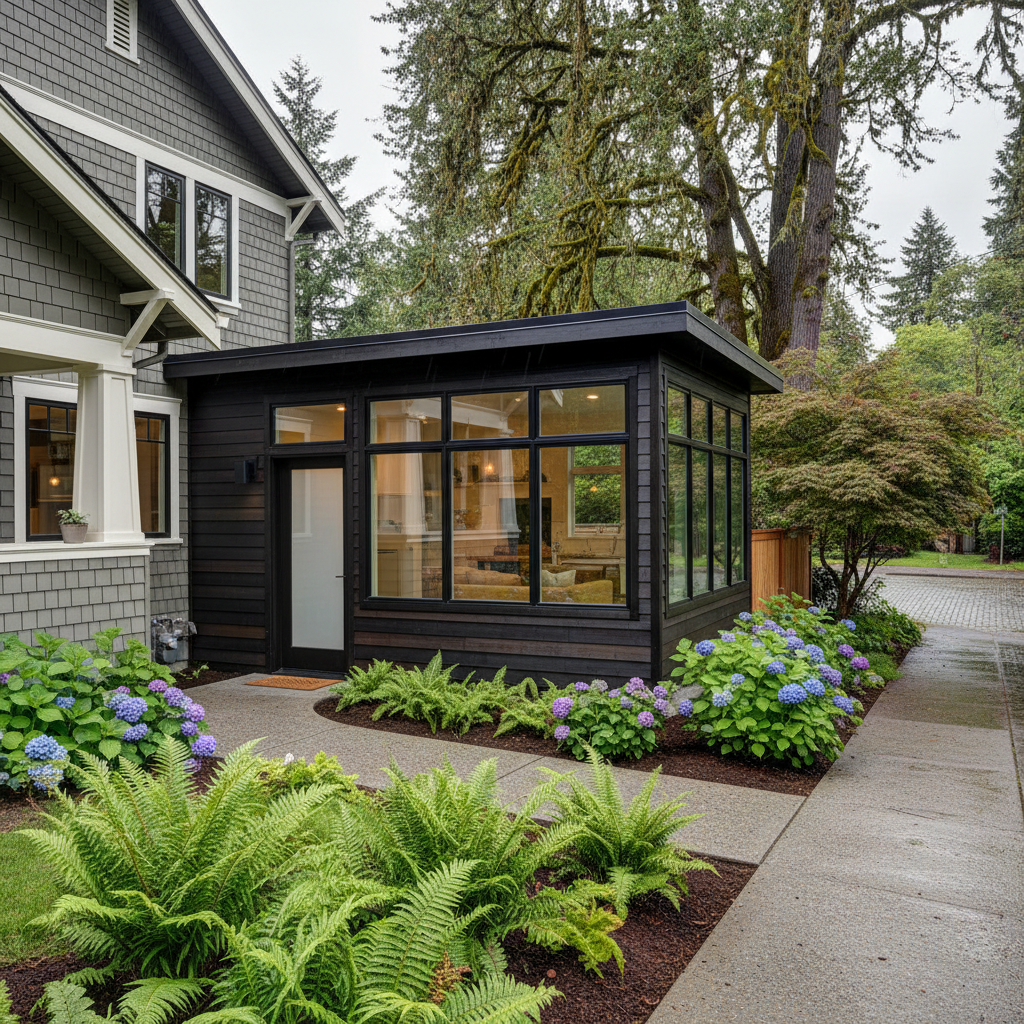
You're looking at that old garage, picturing a sweet new ADU. That's smart thinking, especially with how housing is in Portland. But before you jump in, let's talk about something critical: the weather. Here in the Pacific Northwest, our climate isn't just a backdrop; it's a major factor in any construction project, especially something as involved as a garage conversion.
When to Schedule Your Garage Conversion
So, when's the best time to kick off a garage conversion? Honestly, if you can swing it, aim for a spring or early summer start. That's April through July for us. Why? That's when we get our driest, most predictable weather. You'll avoid the constant drizzle that can slow things down, mess with materials, and just make everyone a bit grumpier.
- Spring (April-May): This is prime time. The ground's usually not too saturated from winter, and you're less likely to hit major rain delays. It's perfect for getting the foundation work, framing, and roofing done without battling the elements.
- Early Summer (June-July): Still a great window. You'll have long, dry days, which means crews can work efficiently. This is ideal for getting the exterior sealed up before the fall rains even think about showing up.
- Late Summer/Early Fall (August-September): It can still work, but you're playing a bit of a gamble. We get those Indian summer stretches, but you also risk early, heavy rains, especially as you get closer to October. If you start now, you'll want to prioritize getting the structure watertight fast.
- Winter (October-March): I'm not gonna lie, this is tough. It's wet, it's cold, and everything takes longer. Concrete needs more time to cure, lumber can get soaked, and exterior finishes are a nightmare. You might save a bit on scheduling because contractors are less busy, but you'll probably pay more in labor hours due to weather delays and protective measures. We've done winter projects, sure, but it's always an uphill battle.
How Portland's Weather Impacts the Work
Our specific climate here in Portland, with its long, wet winters and relatively dry summers, means a few things for your garage conversion:
- Moisture Management is Key: This is probably the biggest one. Any time you're opening up a structure, you're exposing it to the elements. If you're doing foundation work, adding walls, or putting on a new roof, you absolutely don't want water getting in. We're talking about potential mold, wood rot, and structural issues down the line. That's why timing is so crucial. A good contractor, like us at Mighty ADU Company, will always prioritize weatherproofing, but it's a lot easier when it's not pouring rain every other day.
- Soil Conditions: Around here, especially in neighborhoods like Laurelhurst with older homes, we often deal with clay soils. When it's wet, that soil can be a real pain for excavation and foundation work. It gets muddy, heavy, and can slow things down considerably. Dry conditions make digging and pouring concrete much more straightforward.
- Material Storage: Lumber, drywall, insulation – these materials don't like getting wet. During a dry spell, we can store them on-site with less worry. In the winter, everything needs to be meticulously covered or stored off-site, adding to logistics and cost.
- Curing Times: Concrete, stucco, exterior paints – they all need specific temperature and humidity conditions to cure properly. Our damp, cool winters aren't ideal for many of these processes, meaning longer waits between steps.
Protecting Your Investment Year-Round
Once your garage conversion is done and you've got your beautiful new ADU, the work isn't over. You've made a significant investment, and you want it to last. Here's how to protect it, Portland-style:
- Regular Gutter Cleaning: This is non-negotiable in Portland. Clogged gutters mean water overflowing and potentially getting into your foundation or siding. Do it twice a year, minimum – late fall after the leaves drop, and again in late spring.
- Check Your Drainage: Make sure water is flowing away from your ADU's foundation. If you see puddles or signs of erosion, address it immediately. You might need to add French drains or adjust landscaping.
- Inspect Your Roof and Siding: After every winter, give your roof a good look for loose shingles or moss buildup. Check your siding for any cracks or gaps where water could get in. Minor repairs now can prevent major headaches later.
- Ventilation is Your Friend: Especially in a smaller space like an ADU, good ventilation is key to preventing moisture buildup and maintaining air quality. Make sure bathroom fans are working well and consider running a dehumidifier during the dampest months.
- Sealant Maintenance: Check around windows, doors, and any penetrations (like vents or pipes) for cracked or failing caulk. Re-seal as needed to keep the elements out.
Ultimately, a garage conversion is a fantastic way to add value and living space. Just be smart about the timing and stay on top of maintenance, and your Portland ADU will serve you well for years to come.