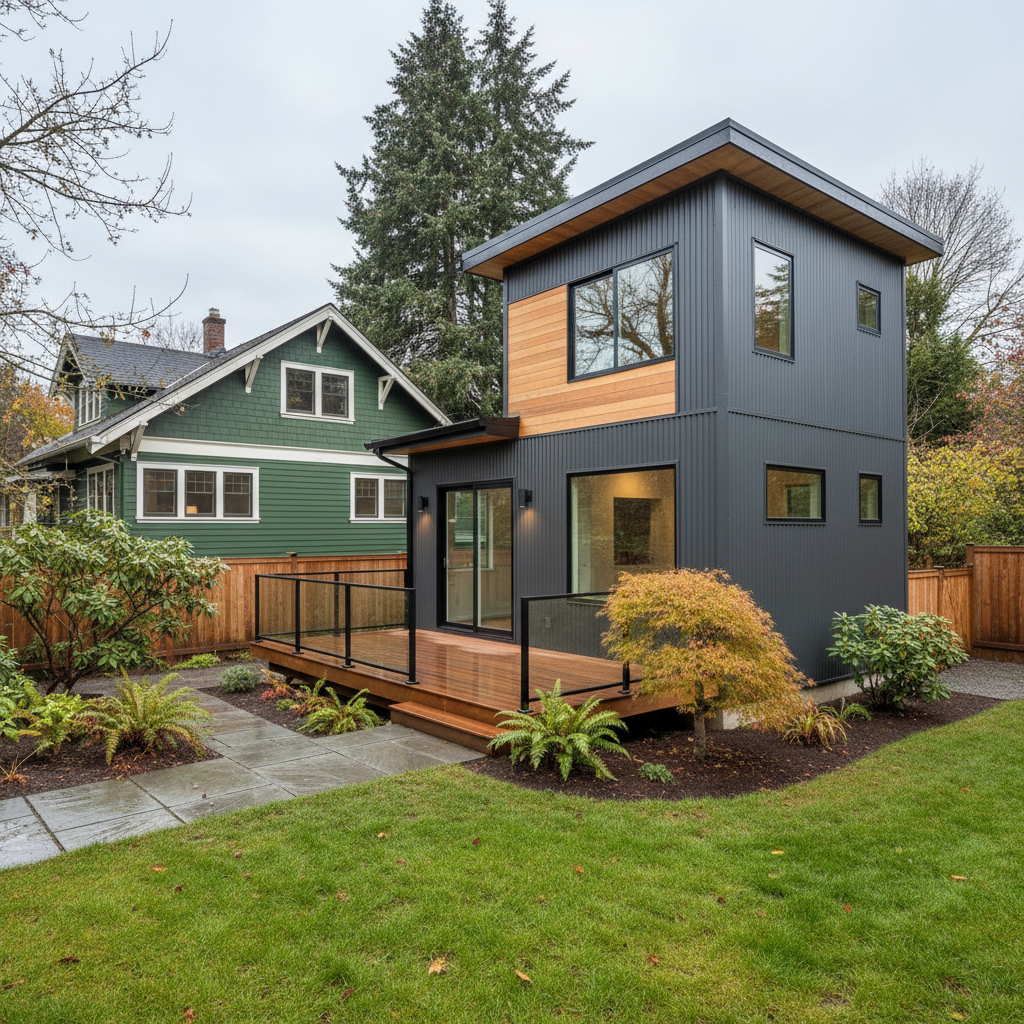
So, you're thinking about building an ADU in your backyard here in Portland. That's a smart move, whether it's for family, rental income, or just extra space. But finding the right contractor? That's where a lot of folks get tripped up.
I've been in this business a long time, seen a lot of good work, and unfortunately, some not-so-good work. You're making a big investment, so you need to make sure you're hiring someone who knows what they're doing and will treat you right. Don't just go with the cheapest bid or the first guy who answers the phone. Here's my advice on how to find a solid ADU contractor.
What Questions Should You Ask?
When you're sitting down with potential contractors, you've got to come prepared. Don't be shy. These questions aren't just about their skills; they're about how they operate, how they communicate, and if they're a good fit for you.
- "How many ADUs have you built in Portland, specifically?" This is huge. Building an ADU isn't like building a deck. There are specific zoning rules, permitting processes with the City of Portland Bureau of Development Services (BDS), and sometimes tricky site conditions, especially with our clay soils. You want someone who's navigated that before.
- "Can I see your portfolio of completed ADU projects and speak to past clients?" Look at their work. Do their ADUs look well-built? Are they functional? And talking to previous clients is gold. Ask those clients about communication, timelines, and how issues were handled.
- "What's your typical timeline for an ADU project, from start to finish?" They should be able to give you a realistic range. Be wary of anyone promising something ridiculously fast. Permitting alone can take months here.
- "Who will be my main point of contact throughout the project?" You don't want to be guessing who to call. You need one person you can rely on for updates and questions.
- "How do you handle change orders?" Things change. Sometimes you decide you want a different fixture, or we uncover something unexpected during demolition. You need a clear process for how those changes are documented and priced.
- "What's your warranty on your work?" A reputable contractor will stand behind their craftsmanship. Get it in writing.
- "Are you familiar with Portland's specific energy efficiency requirements for ADUs?" Our city has some pretty stringent codes. You want a contractor who builds to them, not someone who's going to learn on your dime.
What to Look For in a Quote
A quote isn't just a number; it's a breakdown of what you're getting for your money. A good quote is detailed and transparent. If it's just a single line item, that's a problem.
- Detailed Scope of Work: It should clearly list everything included: demolition, foundation, framing, roofing, plumbing, electrical, HVAC, finishes (flooring, cabinets, paint), fixtures, landscaping, permitting fees, and so on. If it's vague, ask for clarification.
- Allowances vs. Fixed Prices: Some items, like specific light fixtures or flooring, might be listed as 'allowances.' This means they've budgeted a certain amount for it. Make sure those allowances are realistic for what you want. If you pick something more expensive, you'll pay the difference.
- Payment Schedule: This should be clearly laid out. Typically, you'll pay a deposit, then progress payments at key milestones (like foundation complete, framing complete, etc.), and a final payment upon completion and your satisfaction. Never pay for more work than has been done. A big upfront payment (more than 10-15%) is a red flag.
- Inclusions and Exclusions: What's included? What's not? Are utility hookups covered? What about site cleanup? Make sure there are no surprises.
- Contingency Fund: A smart contractor will often include a small contingency (5-10%) for unforeseen issues. It's not always explicitly in the quote, but it's something to discuss.
Red Flags to Watch Out For
Trust your gut. If something feels off, it probably is. I've seen these red flags pop up time and again.
- Aggressive Sales Tactics: Pressuring you to sign a contract on the spot, or offering a 'today-only' discount. Run.
- No Written Contract: Never, ever work without a detailed, written contract. Verbal agreements are worthless when problems arise.
- Cash-Only Deals or Asking for All Upfront: This is a huge no-no. It's often a sign they're trying to avoid taxes or aren't financially stable.
- Unprofessionalism: Showing up late, not returning calls, vague answers, or bad-mouthing other contractors. If they're unprofessional before they even start, imagine what they'll be like during the project.
- Lack of References or Portfolio: A good contractor will be proud to show off their work and connect you with past clients.
- No Insurance or Licensing: This isn't just a red flag; it's a deal-breaker. If they're not insured and licensed, you could be liable for accidents on your property.
How to Verify Legitimacy
Before you sign anything, you need to do your homework. This is non-negotiable. It only takes a few minutes and can save you a world of headaches.
- Check Their License: In Oregon, contractors are licensed by the Construction Contractors Board (CCB). Go to the CCB website and search for their license number. Make sure it's active and that they're licensed for residential construction. You'll also see if they have any disciplinary actions or complaints against them. Mighty ADU Company? We're fully licensed and insured, of course.
- Verify Insurance: Ask for proof of liability insurance and workers' compensation insurance. Call their insurance provider directly to confirm the policy is active and covers the scope of work. Don't just take their word for it.
- Look Up Reviews: Check online review sites like Google, Yelp, and Houzz. While you can't trust every review, a pattern of negative comments is a huge warning sign. Also, check the Better Business Bureau (BBB).
- Ask for a Physical Address: A legitimate business has a physical address, not just a P.O. Box.
- Check for Local Permits: Ask if they've pulled permits for other ADU projects in Portland. You can often look these up on the BDS website to see if they're actually doing the work they claim.
Taking the time to vet your ADU contractor properly is probably the most important step in the whole process. It protects your investment, your property, and your peace of mind. Do your due diligence, ask the tough questions, and you'll be much more likely to have a smooth, successful ADU build.