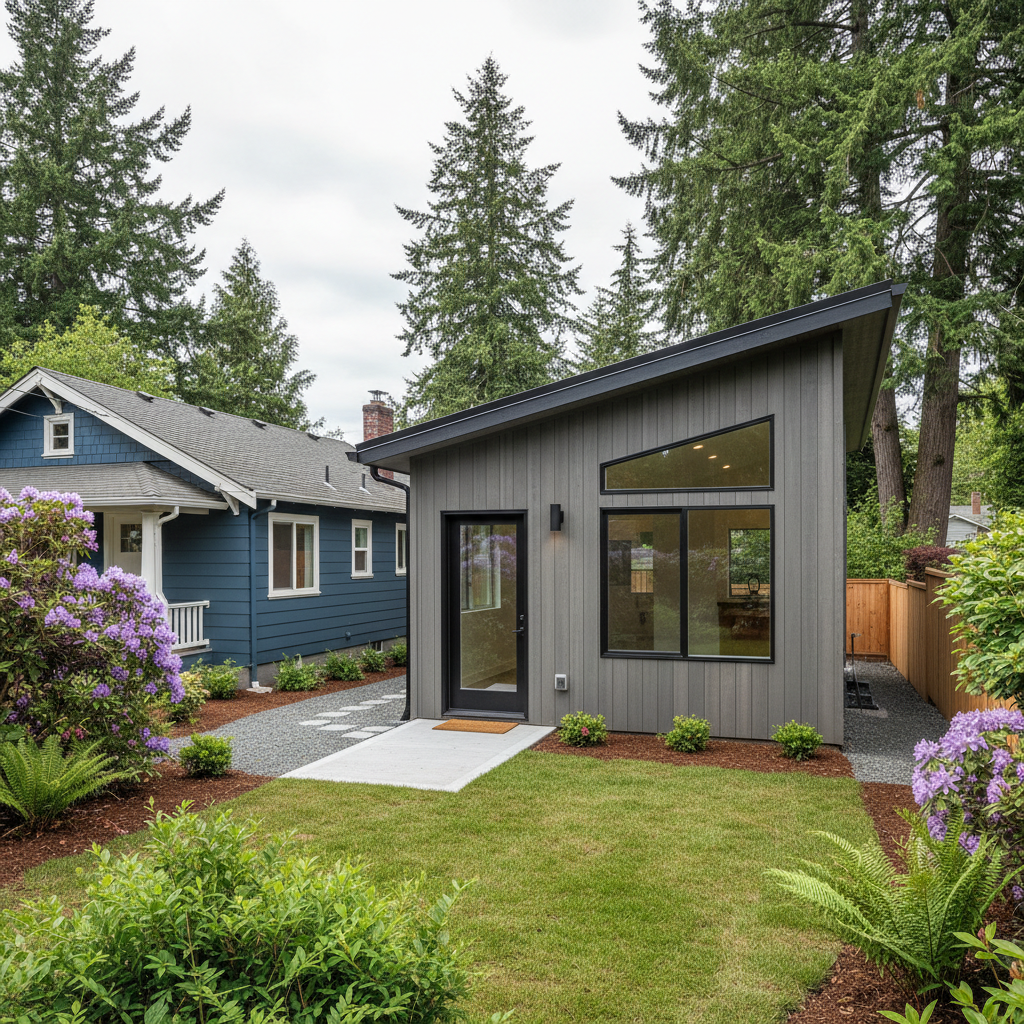
So, you're thinking about adding an ADU to your Portland property? That's a smart move, especially with how tight housing is here. But before you even think about breaking ground, you've got to get the design just right. And that's where a lot of folks start scratching their heads about cost.
I hear it all the time: "How much does ADU design cost?" It's not a simple answer, no, but I can tell you what factors really push the price up or bring it down. It's definitely not just a flat fee.
What Makes ADU Design Cost What It Does?
Think of ADU design like building a custom suit. You can get something off the rack, or you can get something tailor-made. The more custom it is, the more it costs. Here's what I've seen really impact the design price tag:
- Design Complexity: A simple, rectangular box with standard windows? That'll be cheaper to design than a multi-level ADU tucked into a sloped backyard, complete with a green roof and custom built-ins. If you want unique architectural features, specialized materials, or a layout that really squeezes the most out of a tricky lot, expect to pay more for the designer's time and expertise.
- ADU Size: Bigger ADUs generally mean more square footage to draw, more details to consider, and more time for the designer. A 400 sq ft studio is a lot less work than an 800 sq ft two-bedroom unit, wouldn't you agree?
- Site Conditions & Challenges: This is a big one, especially here in Portland. If your lot is flat and clear, great. But if you've got a steep slope, an old growth tree you need to build around, or tricky setbacks because you're in an older neighborhood like Laurelhurst or Sellwood, the designer has to spend more time figuring out how to make it all work. They might need to do more site analysis, consider soil issues, and coordinate with engineers earlier in the process.
- Level of Detail & Services: Are you just getting basic construction drawings for permitting? Or do you want full interior design, material selections, 3D renderings, and help with the city's permitting process? More services mean more cost. Some designers will even handle the permit application for you, which is a huge time-saver, but it's an added fee.
- Designer's Experience & Reputation: Just like any professional, a highly experienced architect or designer with a strong portfolio of successful ADUs will charge more than someone just starting out. You're paying for their expertise, their efficiency, and their ability to foresee potential problems.
Typical ADU Design Cost Ranges in Portland
Alright, let's talk numbers. I know you want specifics, not just "it depends." Based on what I see here at Mighty ADU Company and working with various designers, here's a general breakdown for a typical ADU in Portland:
- Basic Plans (Permit-Ready, No Frills): For a straightforward, smaller ADU (say, 400-600 sq ft) with minimal site challenges, you might be looking at $8,000 - $15,000. This usually gets you the architectural drawings needed for permitting, maybe some basic structural call-outs.
- Mid-Range Design (Customized, Some Site Challenges): For a more custom design, perhaps 600-800 sq ft, or a site with minor complexities, expect to pay anywhere from $15,000 - $25,000. This often includes more detailed plans, some material suggestions, and closer collaboration on the aesthetic.
- High-End / Complex Design (Large, Unique, Challenging Site): If you're building a larger ADU (800+ sq ft), have a very challenging site, or want a truly custom, architecturally significant design with full interior selections and project management support, costs can easily go from $25,000 to $40,000+.
Keep in mind, these are just for the design phase. Engineering, surveys, and city fees are separate costs you'll need to budget for.
What's Included in a Design Quote?
When you get a quote from a designer, make sure you understand exactly what you're getting. A good quote should clearly outline:
- Initial Consultation & Site Analysis: How many meetings, what kind of site visit.
- Schematic Design: Rough sketches, floor plans, and elevations to get your ideas down.
- Design Development: Refining those sketches into more detailed plans, material palettes.
- Construction Documents: The detailed drawings and specifications needed for permitting and construction (floor plans, elevations, sections, foundation plan, roof plan, window/door schedules, etc.).
- Permit Submission Assistance: Will they prepare the application, submit it, and respond to city comments?
- Revisions: How many rounds of revisions are included at each stage? This is important.
- Deliverables: What format will the final plans be in (digital, printed sets)?
If a quote just says "ADU Design: $10,000," that's a red flag. You need to know the specifics.
How to Avoid Overpaying for ADU Design
Nobody wants to throw money away, especially when you're already investing in a big project. Here's my advice:
- Be Clear About Your Vision (and Budget): Before you even talk to a designer, have a good idea of what you want and what you can afford. Show them examples, tell them your priorities. The clearer you are, the less time they'll spend guessing, which saves you money.
- Get Multiple Quotes: Don't just go with the first designer you talk to. Get proposals from at least three different professionals. Compare not just the price, but what's included in that price.
- Ask About Their Process: A good designer will have a clear process. Understand it. How do they handle changes? What's the communication like?
- Consider "Stock" Plans (with Modifications): Some designers offer pre-designed ADU plans that can be customized. This can be a more cost-effective option than starting from scratch, especially if your needs are fairly standard. You'll still pay for modifications and site-specific adjustments, but the base design cost is lower.
- Manage Your Expectations: If you're on a tight budget, don't expect a completely unique, award-winning design. Be realistic about what your money can buy. Sometimes, a simpler design is not only cheaper but also more functional and easier to build.
Designing an ADU is a critical first step. Invest wisely here, and you'll save yourself headaches and potentially a lot more money down the road during construction. Do your homework, ask the right questions, and you'll find a great designer for your project.